
Crowded front teeth. A gap you’ve never loved. A bite that wears your teeth unevenly. Whatever brought you here, the question is usually the same: should you straighten your teeth with clear trays or with brackets and wires?
Both work. Both move teeth with steady, gentle pressure. The real difference is how they fit into your life. Here’s an honest look at SureSmile clear aligners in Matteson compared with braces, so you can walk into your consultation knowing what to ask.
What’s the difference day to day?

Braces are fixed to your teeth. They stay put until treatment is done, which means they’re working every hour of every day without you thinking about it. You’ll come in for adjustments, and you’ll change how you eat a little, since hard and sticky foods can pop a bracket loose.
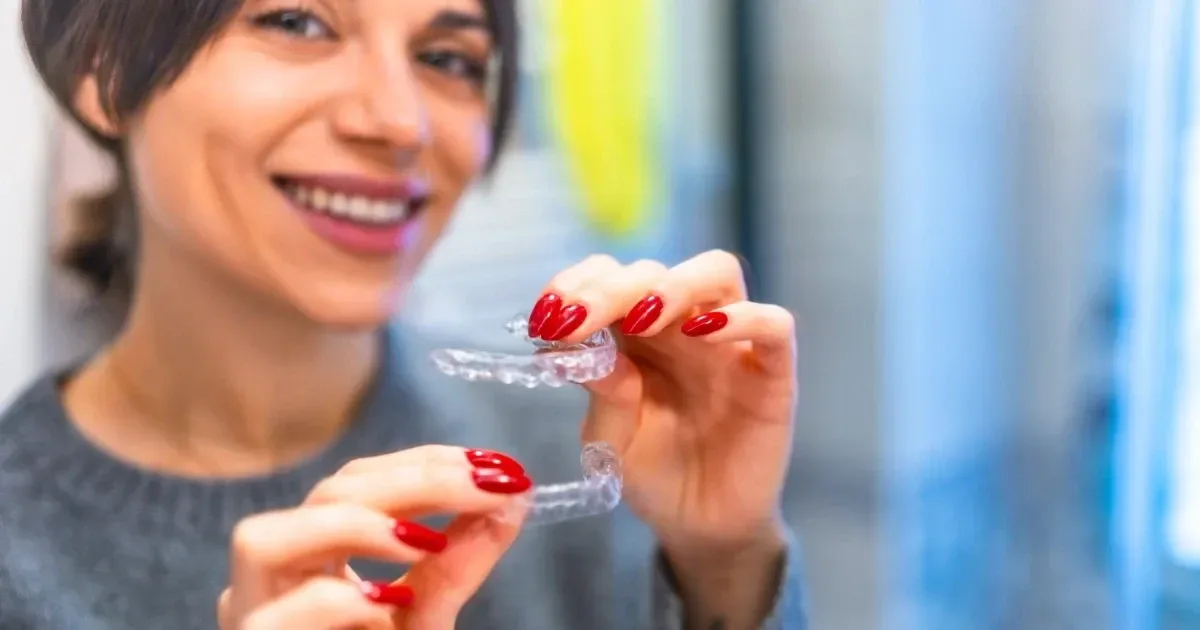
Clear aligners are removable trays you wear over your teeth and swap out for a new set on a schedule. You take them out to eat, brush and floss, then put them back in. There are no food restrictions and no wires rubbing your cheeks.
That one difference, removable versus fixed, drives most of the decision. If you know you’ll keep the trays in for the hours they need to be in, aligners give you flexibility. If you’d rather not think about it at all, braces take the discipline out of your hands.
We offer both. You can see how Dr. Durr approaches straightening teeth on our orthodontics page, and the right answer depends as much on your habits as on your teeth.
Are SureSmile clear aligners in Matteson right for you?
Aligners tend to suit adults and teens who want something discreet. The trays are clear plastic, so most people won’t notice you’re wearing them during a meeting, a class or a photo. Dr. Durr plans every stage of tooth movement himself using detailed 3D scans, which is a little different from systems that hand the planning off to a lab.
They handle a wide range of concerns, from simple spacing and crowding to more involved bite issues. A moderate case can sometimes finish in as little as six months, though your own timeline depends on how far your teeth need to travel and how consistently you wear the trays.
The full rundown of how the system works lives on our SureSmile clear aligners page, including the advantages over braces and what the trays feel like.
One more thing worth knowing: because SureSmile’s planning is efficient and needs fewer office visits, it can cost less than several other clear aligner systems. That surprises people who assume clear trays are always the pricier route.
When braces might be the better choice
Braces have been straightening teeth for a long time for good reason. They’re attached, so they keep working even on the days life gets busy. For patients who are honest about not wanting to track wear time, that’s a real advantage.
They can also be a strong choice for certain complex movements, and for younger patients still developing. Dr. Durr is experienced with both traditional orthodontics and aligner treatment, with over 1,000 successful cases behind him, so you’re not being steered toward one option because it’s the only one available here.
If you’ve been told elsewhere that your case is too complicated for trays, it’s worth a second conversation. Sometimes it is, and braces are the honest answer. Sometimes careful digital planning changes the picture.
Comfort, cleaning and keeping up with it

Aligner trays are smooth plastic with no wires or brackets to irritate your cheeks and gums. Most patients describe some pressure or tightness for a day or two after switching to a new set. That’s the teeth moving, and it settles.
Cleaning is simpler with aligners too. You take them out, brush and floss like normal, and put them back. With braces, you’ll learn to thread floss around the wire and keep food from parking around the brackets. It’s manageable, but it takes more time at the sink.
Either way, keep up with your regular visits while you’re in treatment. Teeth that are moving still need cleanings and healthy gums underneath them, and gum health matters even more when appliances are in the picture.
The trade-off with aligners is responsibility. The trays only move teeth while they’re in your mouth. If they live in a napkin at lunch and get forgotten, progress slows. That’s not a reason to avoid them, just something to be straight with yourself about.
How long does treatment take?
There’s no single number, and anyone who gives you one before looking at your teeth is guessing. SureSmile treatment can run as little as six to twelve months for many cases. Braces often run longer, though that varies widely with what needs to change.
Many aligner patients finish faster than they would have with braces and need fewer adjustment appointments along the way. The precise digital planning is a big part of that, since each tray is designed to make specific, controlled movements rather than leaving the result to chance.
Whichever you choose, there’s a retention phase afterward. Teeth have memory, and keeping them where you put them is part of the deal. We’ll talk through what that looks like for you.
What happens at your consultation
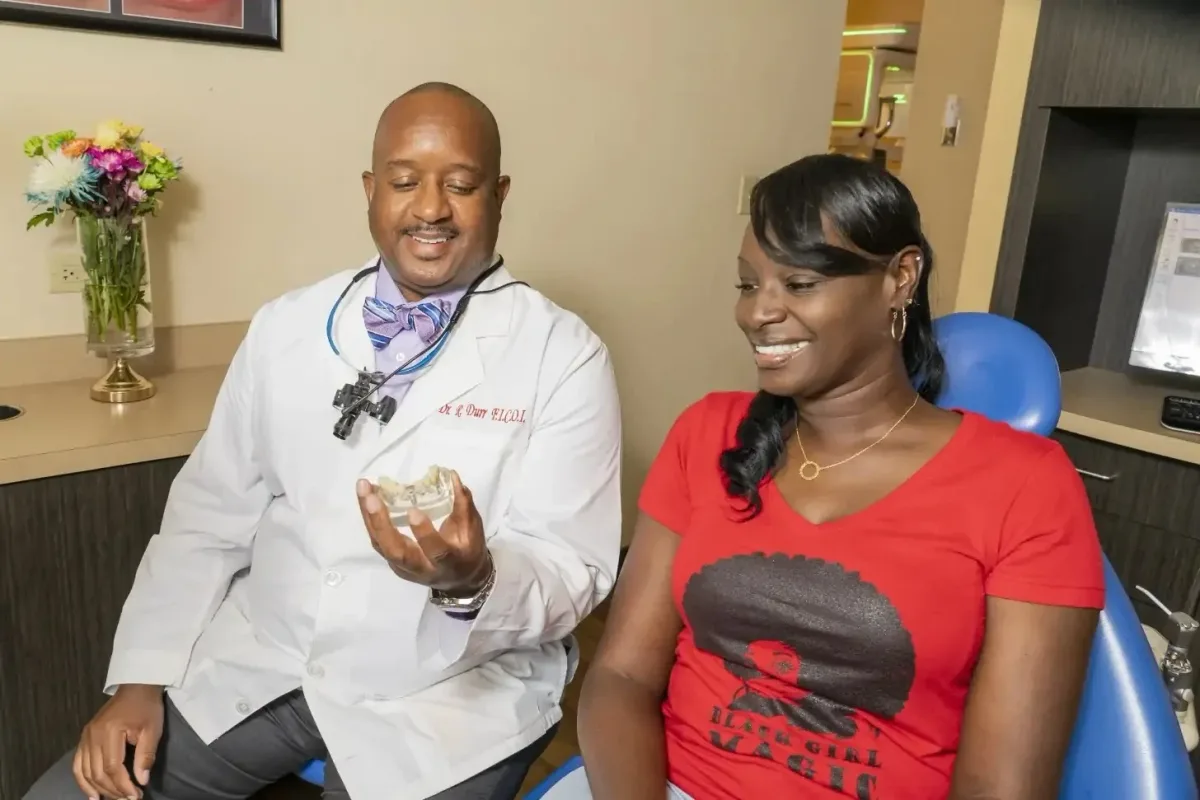
We offer a free orthodontic consultation with Dr. Durr. It includes an oral exam and panoramic X-rays, time to talk through what you want your smile to look like, a look at your treatment options, and answers to whatever you’ve been wondering about.
Bring your questions. Ask what your specific bite needs, how long each option would likely take, and what wearing either one would mean for your work, your sports or your sleep. There’s no wrong question here.
There’s also $500 off orthodontic treatment running right now. You can see what else is available on our special offers page.
How to make the call
Start with three honest questions. How much does it matter to you that nobody can tell you’re straightening your teeth? How reliably will you wear something you can take out? And what does your bite actually need, not just how it looks, but how it functions?
Appearance pushes most people toward aligners. Habits push some toward braces. The bite itself is the part you can’t judge on your own, and it’s the reason a consultation matters more than any article.
Dr. Durr has been caring for smiles in the south suburbs since 2002, and he’ll tell you plainly which option he’d recommend and why. If both would work, you get to pick based on what fits your life. If one is clearly better for your case, you’ll hear that too.
Still weighing trays against brackets? Come talk it through with Dr. Durr at a free orthodontic consultation and find out what your smile actually needs.


